
From Roots to Resilience: Rediscovering Europe’s Living Fruit Heritage
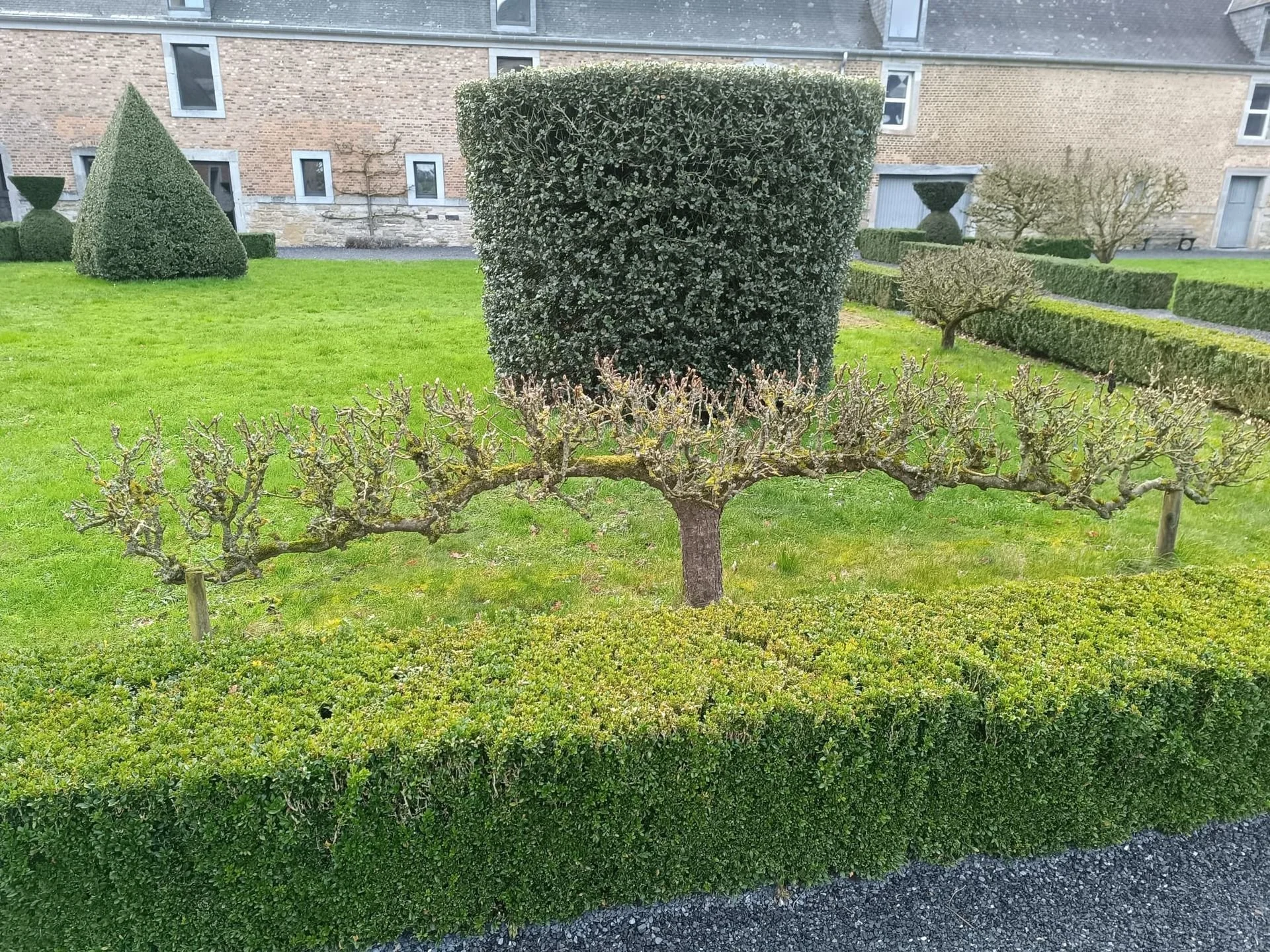
In a quiet orchard behind a village school, an elder leans over a pear tree, clippers in hand. The branches are trained flat against a stone wall—an espalier, she explains, once common across Europe. A teenager watches, copying the careful snip that encourages new growth. They talk about seasons, pests, and frost.
The lesson isn’t in a book. It’s alive, passed from one hand to another.
This isn’t nostalgia. It’s living heritage in action—and it may hold some of the keys to our shared future.
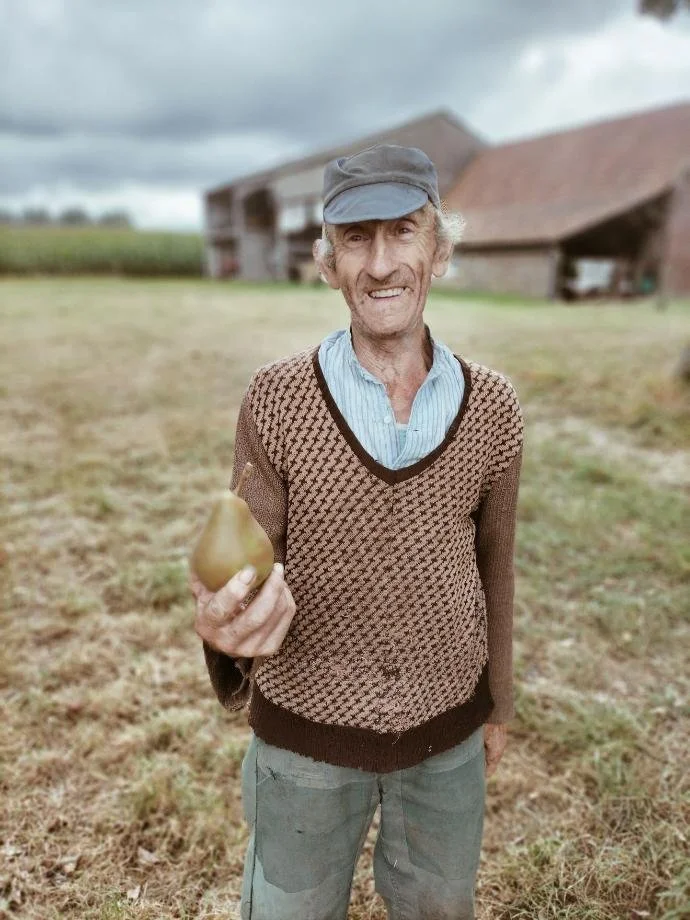
What Is Living Heritage?
Living heritage, or intangible cultural heritage (ICH), is the knowledge, skills, and practices that communities see as part of their identity. Unlike museum objects, these traditions are dynamic: they change, are reinterpreted, and adapt with each generation.
Fruit-growing practices like grafting, pruning, selecting local varieties, or tending community orchards belong to this realm. They’re not just techniques; they’re ways of reading the landscape—understanding soils, microclimates, pests, and seasons—shared through stories, observation, and practice.
UNESCO’s 2003 Convention describes living heritage as a source of cultural diversity and sustainable development. It’s not meant to be frozen behind glass, but cultivated in today’s realities.
Why Fruit Heritage Matters Now
Climate change is rewriting the rules of growth. Seasons shift, frosts arrive at unexpected times, rain patterns change, and long-adapted fruit varieties come under stress. In this context, fruit traditions can become strategic resources.
Traditional pruning can help trees better withstand frost or drought. Grafting and maintaining heritage varieties can increase biodiversity and resilience. Mixed orchards and hedgerows support pollinators and soil health. Community orchards provide fruit, but also spaces for learning, social ties, and ecological awareness.
At the same time, these practices are under pressure: globalised food chains, ageing rural populations, and education systems that overlook local knowledge all play a role. If these skills vanish, we lose a library of place-based solutions for living with a changing climate.
Safeguarding heritage, then, is not about keeping it unchanged. It’s about keeping it alive and able to respond.
The Fruitful Synergy Approach
The Fruitful Synergy project takes this seriously.
As an Erasmus+ initiative aligned with the EU Green Deal and the UNESCO Convention, it brings together educators, communities, and young people to work with fruit heritage as a lever for sustainability transitions.
Three core ideas guide the approach:
Fruit heritage is a knowledge system.
Young people and heritage bearers are co-designers, not passive audiences.
A clear method is needed to connect heritage practices to real environmental challenges.
The From Tradition to Transition playbook captures this in a four-step cycle: Scan, Select, Shape, Support:
Scan – map local environmental challenges and existing fruit practices.
Select – focus on the most urgent challenges and the practices with greatest potential and adaptability.
Shape – develop concrete projects that link the two: orchards, “green stops”, apprenticeships, schoolyard experiments, and more.
Support – ensure ethics, consent, and long-term care are in place, so projects are fair and sustainable, not extractive or short-lived.
This turns scattered activities into a coherent pathway from tradition to transition.
Why This Matters
Approaches like Fruitful Synergy are important because they:
Connect culture and climate resilience – treating fruit heritage as a source of practical responses to heat, drought, biodiversity loss, and food insecurity.
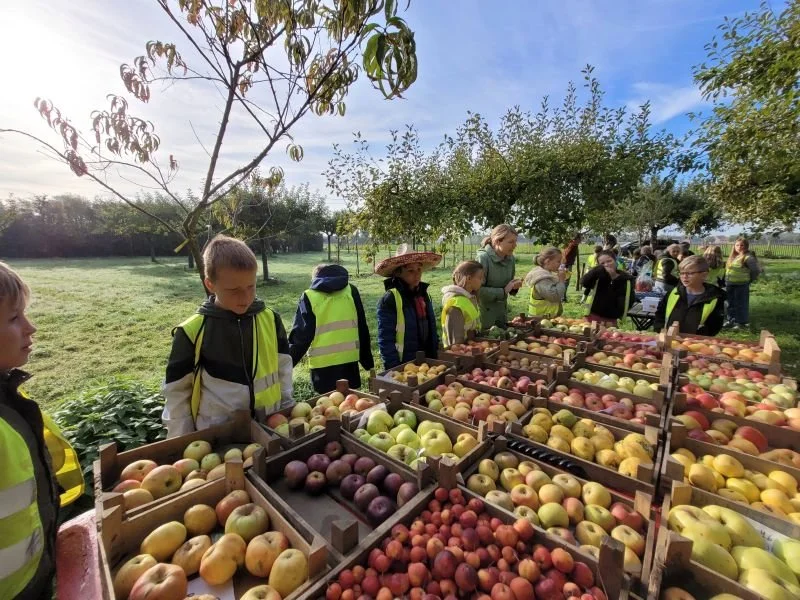
Make education real – students don’t just hear about climate change; they work with local knowledge, test ideas, and see their impact in the landscape.
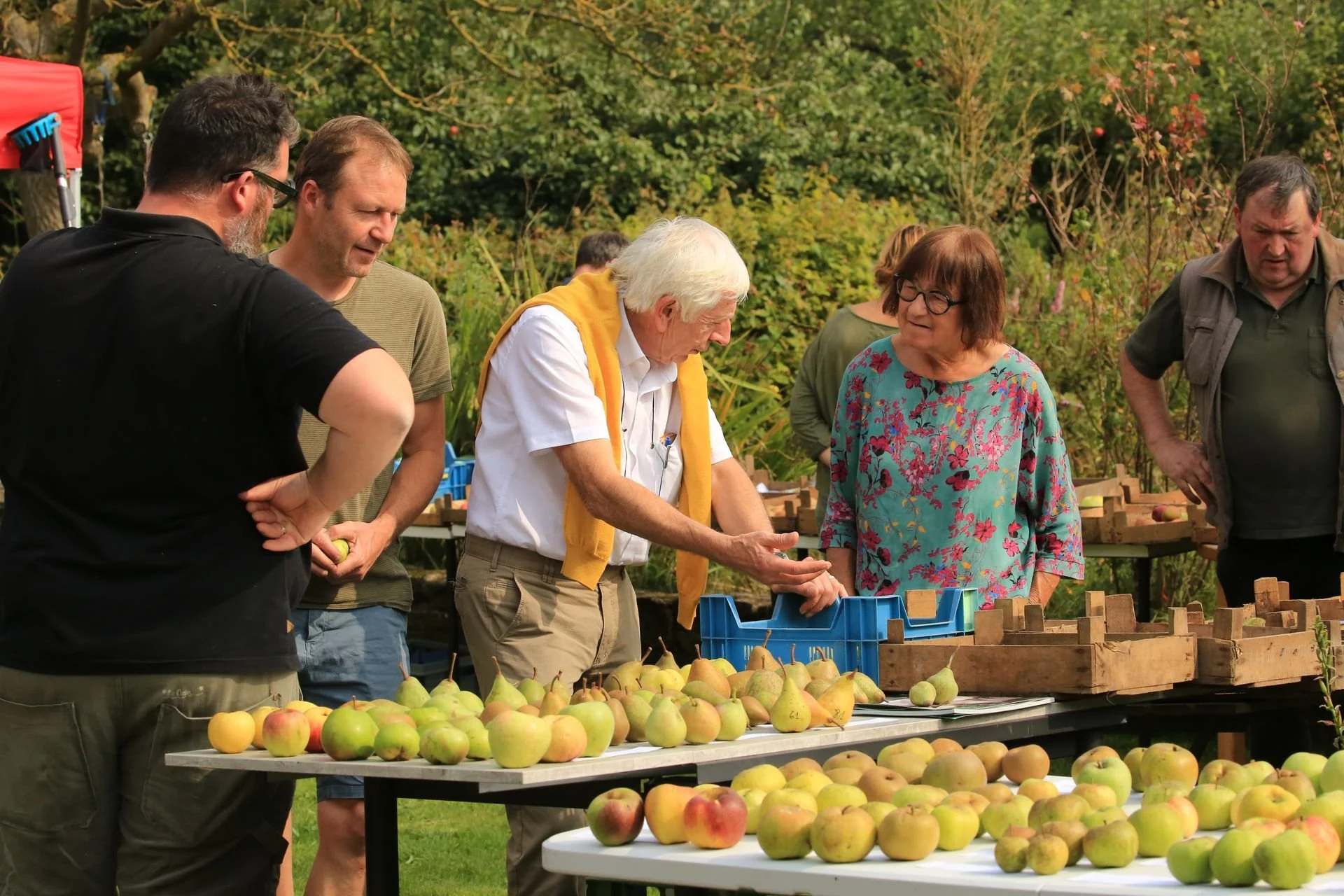
Build intergenerational bridges – elders, growers, and craftspeople are recognised as knowledge holders; young people bring energy, new questions, and tools.
Protect communities from extractive projects – by checking consent, ownership, and fairness, the Support phase helps ensure heritage work benefits those who carry it.
A Living Compass for the Future
Living heritage is not about going backwards. It’s a way of moving forwards with more memory, more care, and more options.
Where you live, what fruit traditions still exist? Who knows how to graft, prune, read the weather, or choose varieties for your local soil? How might those practices help you respond to today’s environmental challenges?
The From Tradition to Transition approach suggests that if we listen carefully—and act together—heritage can guide us.
Not as a museum of the past, but as a living compass for a resilient future.
Dit project wordt getrokken door POMKO, CAG, PTI Kortrijk, PTS Mechelen en Coöperatie DOON. Dit project wordt gefinancierd door de Europese Unie.
You can download the From Tradition to Transition handbook to explore the full methodology, along with ready-to-use templates, workshop activities, and step-by-step guidance for working with living heritage in your own context.